


PictureThis

 Download
Introduce
PictureThis is a mobile app for plant identification and care, designed to lower the barrier to entry for plant identification and care. Using image recognition technology, it helps users quickly identify the names and basic properties of unknown plants. It has also expanded its offerings with modules such as care advice, pest and disease diagnosis, plant information database search, and maintenance schedule reminders. This makes previously challenging plant knowledge accessible, visual, and tool-based. Compared to traditional paper-based plant encyclopedias or specialized plant websites, PictureThis is more consumer-oriented, with a more intuitive information structure, interface layout, and function prompts, making it suitable for those interested in plants but lacking in-depth botanical knowledge.
App Categories
- Category: APP
- Publish Date: Oct 21, 2025
- Size: 243.4 MB
- Requirements: 9 and up
- Developers: Glority Global Group Ltd.


App Store Performance
PictureThis maintains a high rating, consistently ranging from 4.7 to 4.9 points. With over a million ratings, it demonstrates both a strong reputation and a significant number of real downloads and users. Its rankings suggest that it has gained popularity in education, tools, and even lifestyle categories, and has even made it onto trending lists or been recommended by platforms in certain countries.

Update
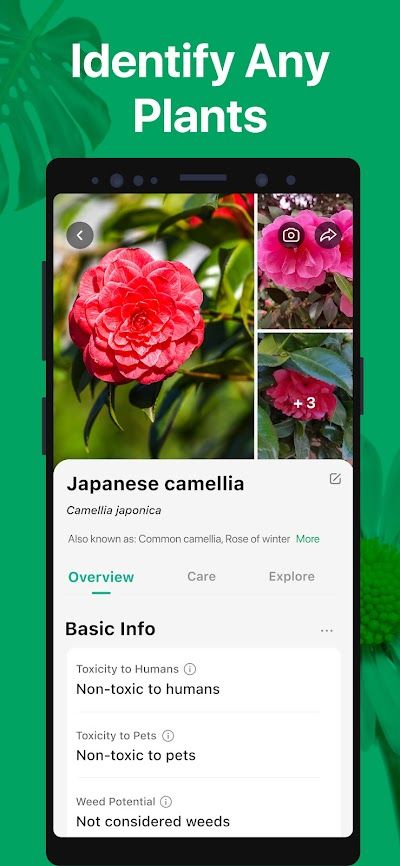
PictureThis's core features lie in its image recognition capabilities. Users simply take a photo of a plant or select an image from their photo album, and the system quickly generates the plant's name, Latin name, growth habits, ecological region, and a brief description. The recognition process typically takes only a few seconds, making recognition speed a crucial component of the app's appeal. To improve error tolerance, PictureThis uses a large built-in plant database for feature comparison. Even if an exact match isn't found, several similar results are provided for the user to determine. This provisioning possible combinations of answers approach balances user experience with the reliability of the recognition engine.
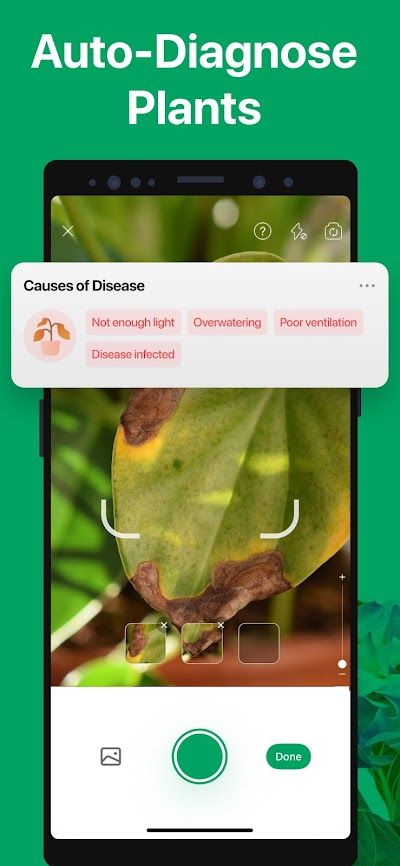
Secondly, PictureThis not only identifies plants but also provides diagnostic functionality for their condition. Users can take photos of yellowing leaves, spotted branches, or unusually colored leaf edges, and the system will attempt to identify the likely pest or disease, the cause of the condition, and provide preliminary treatment recommendations. While this diagnosis cannot replace the expertise of a professional gardener or plant pathologist, it provides a convenient and reliable reference for daily home care. The app also lists common issues within the plant profile, such as overwatering, insufficient light, inappropriate humidity, and soil compaction, helping users understand the causes of symptoms in layman's terms.
Pros And Cons
Pros
PictureThis's first major advantage is its recognition accuracy and responsiveness. It has a high recognition success rate for common green plants, flowers, and garden plants, significantly reducing the time required for manual searches. A second major advantage is its clear data structure, allowing users to quickly access key care information without navigating lengthy and complex botanical terminology, making it particularly suitable for non-expert users. Third, its pest and disease diagnosis and maintenance reminder features provide a value-added experience, transforming the app from an identification tool into a plant care assistant. Fourth, its clean interface and clear illustrations provide an overall visual experience superior to many similar products. Fifth, active updates and a continuously expanding database mean users receive ongoing support and more comprehensive content.
Cons
First, the app's subscription model is quite strong. While it can be downloaded and installed for free, many features, such as unlimited identification, in-depth pest and disease analysis, and more comprehensive plant profiles, require a subscription. Some users report frequent subscription prompts in the early stages of use, which somewhat impacts the initial experience. Second, the system's recognition results can sometimes be erroneous, particularly in low lighting, when plant postures are incomplete, or when leaves are atypical. These results can be significantly biased. While such errors are normal in image recognition, relying solely on recognition results to address plant issues can lead to inaccurate judgments and inappropriate care measures.


